
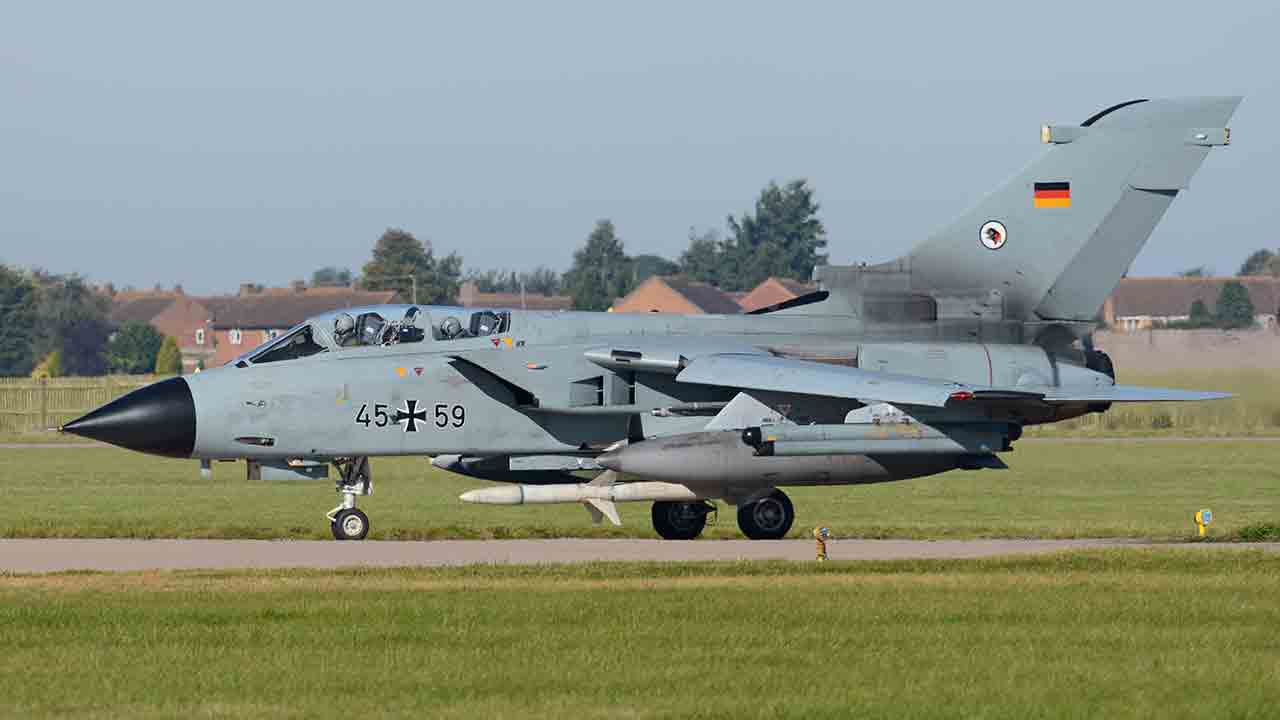
Designed to fly low and fast, the Tornado IDS still plays an active role in some European air forces
Developed at the height of the Cold War, the Panavia Tornado IDS (Interdictor/Strike) is one of the most important strike fighters in European military aviation history. Born from an ambitious tri-national consortium between West Germany, the United Kingdom, and Italy, the aircraft was designed for deep penetration missions into enemy territory, operating at low altitude and in all weather conditions.
+ The End of an Era: Italian Tornado Fighters Make Way for F-35A Lightning II
Creation and Development
The MRCA (Multi-Role Combat Aircraft) program was officially launched in 1969, bringing together the efforts of British Aircraft Corporation (BAC), Messerschmitt-Bölkow-Blohm (MBB), and Aeritalia, which later formed Panavia Aircraft GmbH. The first flight took place on August 14, 1974, and the aircraft entered operational service in the early 1980s.
The goal was clear: to replace outdated tactical strike and bomber aircraft like the English Electric Canberra, F-104 Starfighter, and Blackburn Buccaneer.
Capabilities and Technical Data
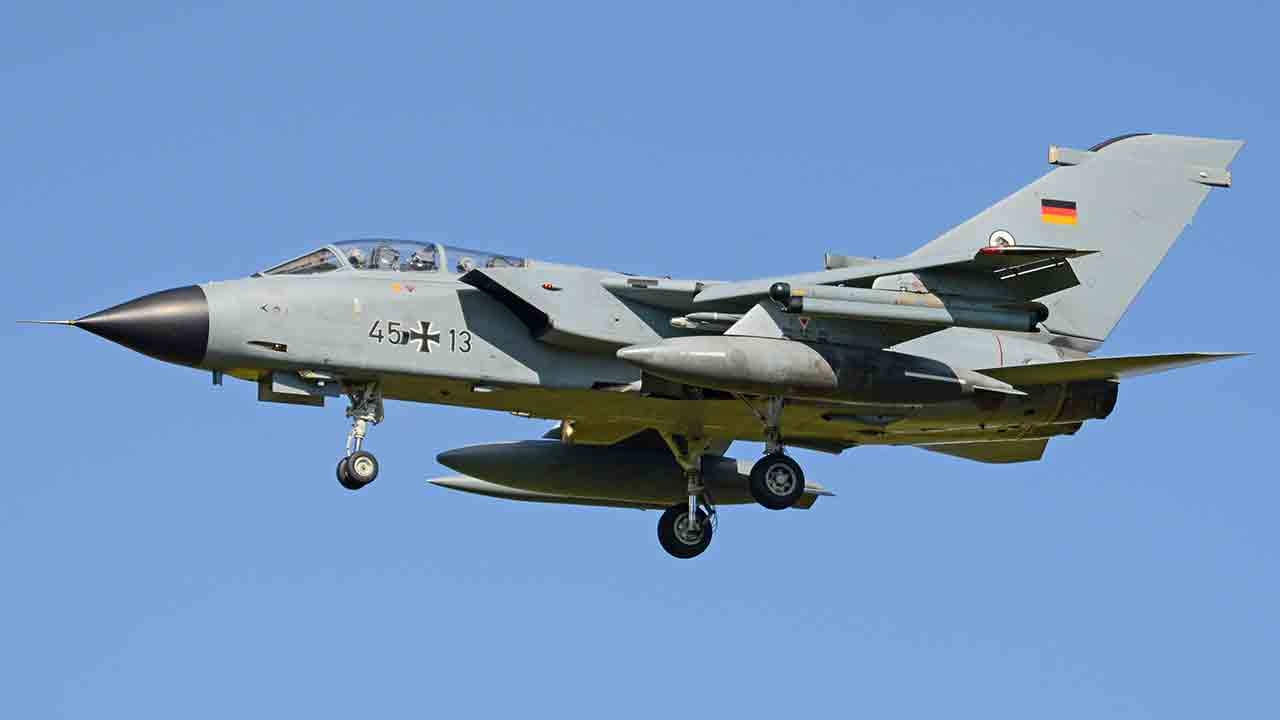
The Tornado IDS was designed with a distinctive feature: variable-sweep wings, which adapt to speed and mission profile, enabling better performance at both subsonic and supersonic speeds.
- Crew: 2 (pilot and systems officer)
- Length: 16.7 m
- Wingspan: 8.6 m (fully swept) to 13.9 m (fully extended)
- Maximum speed: Mach 2.2 (around 2,400 km/h)
- Range: up to 3,900 km with external fuel tanks
- Engines: 2× Turbo-Union RB199-34R turbofans
- Payload: up to 9,000 kg of ordnance (bombs, missiles, electronic pods)
- Fixed armament: 1× 27 mm Mauser BK-27 cannon
Combat History
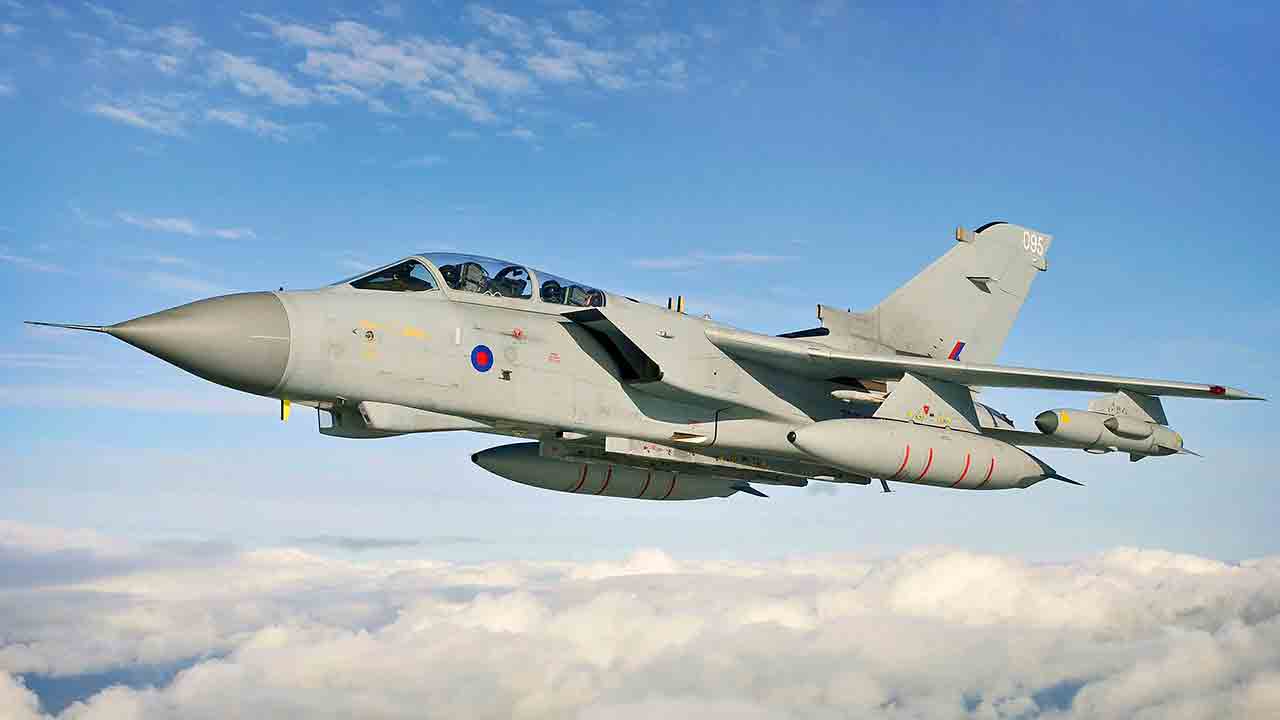
The Tornado IDS has seen action in various conflicts since its introduction. During the Gulf War (1991), British and Italian aircraft carried out strikes on strategic targets in Iraq. Their vulnerability at low altitudes led to losses but also to improvements in electronic countermeasures and penetration tactics.
Other notable deployments:
- Bosnian War (1995) – NATO actions against Serbian targets
- Kosovo War (1999) – nighttime precision bombing
- Afghanistan War – close air support and reconnaissance missions
- Campaigns against ISIS – by RAF and Luftwaffe aircraft
Variants and Operators
In addition to the IDS (conventional strike), the Tornado was produced in versions such as:
- Tornado ECR: reconnaissance and suppression of enemy air defenses (SEAD)
- Tornado ADV: long-range interceptor variant (used mainly by the RAF)
Today, the Tornado IDS has been retired by the UK’s Royal Air Force (in 2019) but remains in limited service with Germany’s Luftwaffe and Italy’s Aeronautica Militare, mainly in specialized roles like precision strike and electronic warfare.
Legacy
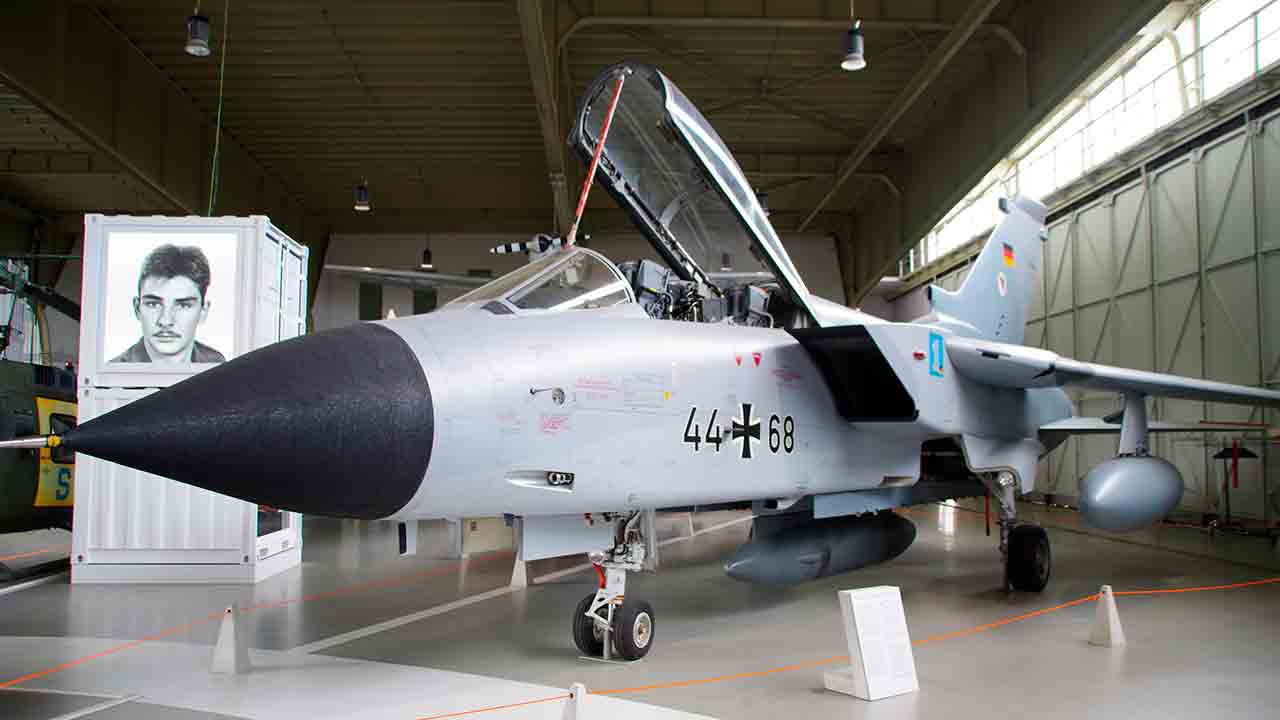
The Tornado IDS was one of Europe’s first successful multinational aircraft programs and paved the way for later joint projects like the Eurofighter Typhoon. With thousands of combat hours and decades of service, the Tornado became a key icon of Western tactical aviation in the second half of the 20th century.
This content was created with the help of AI and reviewed by the editorial team.
